
Why Quantum Sensors for Health?
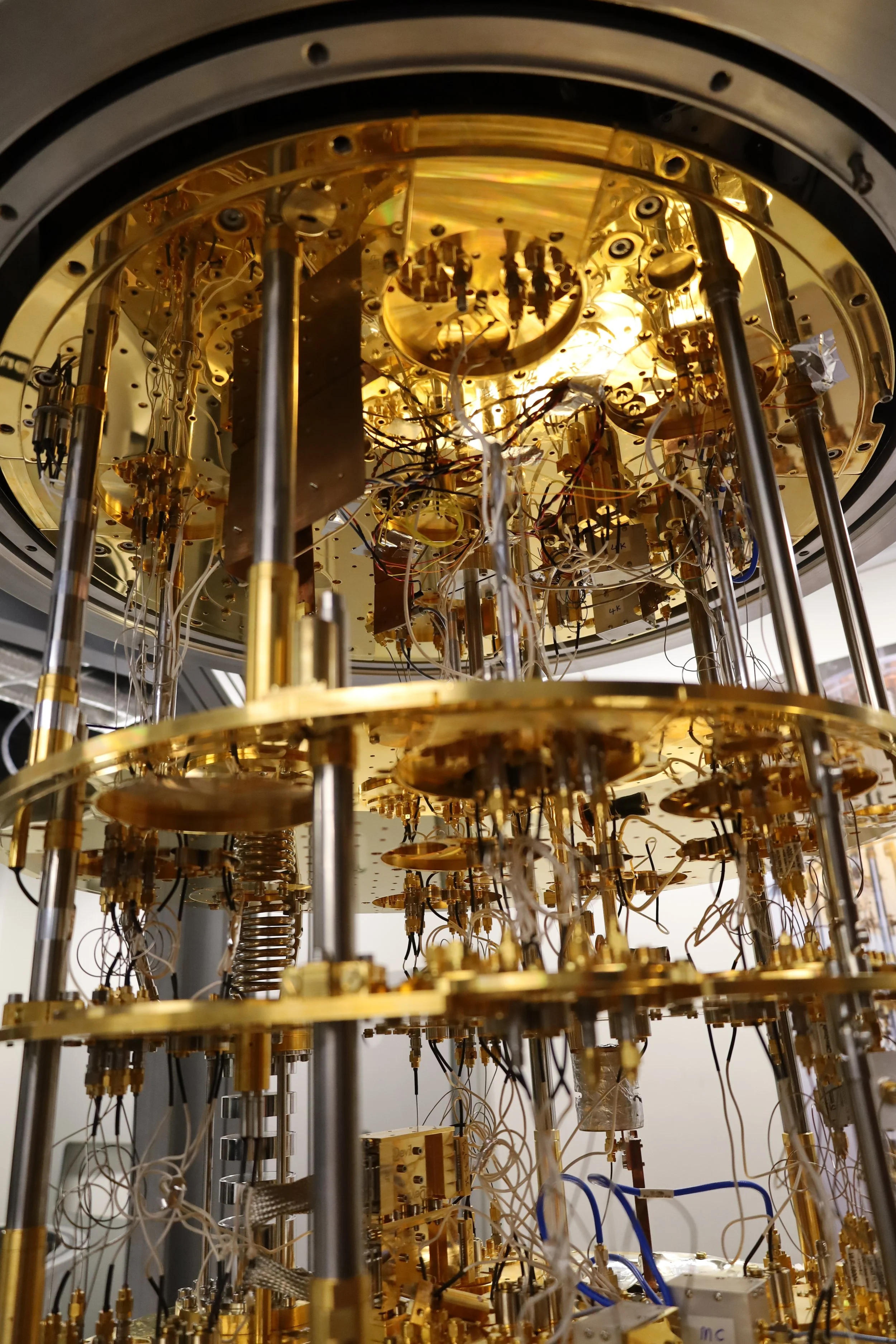
At Q-BIOMED, our mission is to engineer a new generation of quantum sensors for early disease diagnosis and improved treatment outcomes. But what are quantum sensors and how could they be used in healthcare?
What are quantum sensors?
Quantum science looks at the smallest possible building blocks of nature, such as atoms, electrons and other tiny particles, and how they behave. At this level, these particles act in interesting ways.
For example, particles like electrons, neutrons and protons have a property called ‘spin’. Electrons have two spin states, where the spin can point up or down relative to a magnetic field, a bit like a tiny compass needle. This makes them extremely sensitive to changes in magnetic fields.
In some quantum systems, such as nitrogen-vacancy (NV) centres in diamond, these electron spins can be set to a known state and controlled using light and microwaves. This ability to prepare, manipulate and read out spin states is what makes these systems ideal for ultra-sensitive sensors.
What makes quantum sensors different?
Traditional sensors can only measure signals down to a certain limit.
Quantum sensors can detect changes that are millions to billions of times smaller.
This leap in sensitivity enables entirely new kinds of measurements, including:
Magnetic fields generated by neural activity
Tiny changes in temperature inside individual cells
Chemical signatures of disease at extremely early stages
These are signals that were previously invisible.
How can quantum sensors be used for healthcare?
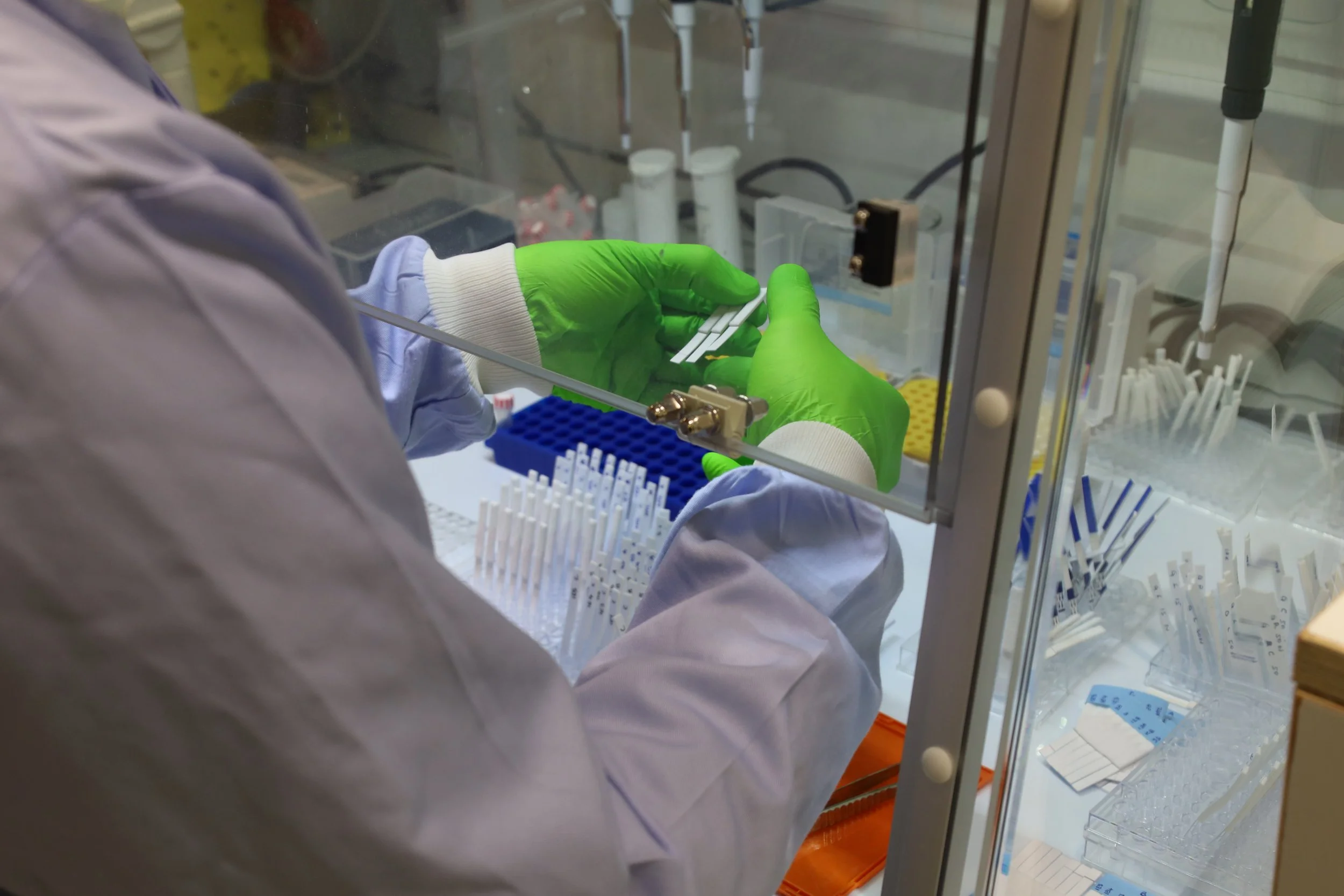
Greater sensitivity means quantum sensors could transform healthcare. They could help clinicians to:
Detect diseases earlier than conventional technologies
Monitor treatments with unprecedented precision
Learn more about the fundamental biology of certain diseases which could help to develop new therapies
As well as enabling earlier diagnosis, At Q-BIOMED, we’re aiming to develop quantum sensors that are more portable and cheaper to produce. This will help to ensure that more testing can be delivered locally in low resource settings, such as in pharmacies, community centres or GP surgeries.
Examples of future applications
Quantum sensors could one day be used to:
Boost the sensitivity and speed of existing technologies like MRI
Find new biomarkers for diseases like Alzheimer’s that could help with early detection
Identify early signs of cancer through chemical or metabolic markers
Create rapid diagnostic devices for infections at the point of care
These technologies could fundamentally change how and when we detect disease.
Why does this matter now?
Healthcare systems are under growing pressure, and early diagnosis is one of the most effective ways to improve outcomes. At the same time, quantum technologies have matured to a stage where practical, deployable devices are finally possible.
By bringing these two worlds together, Q-BIOMED aims to deliver tools that help clinicians act sooner, treat more effectively and understand disease more deeply.