From vision to implementation: Highlights from the Quantum Healthcare Summit
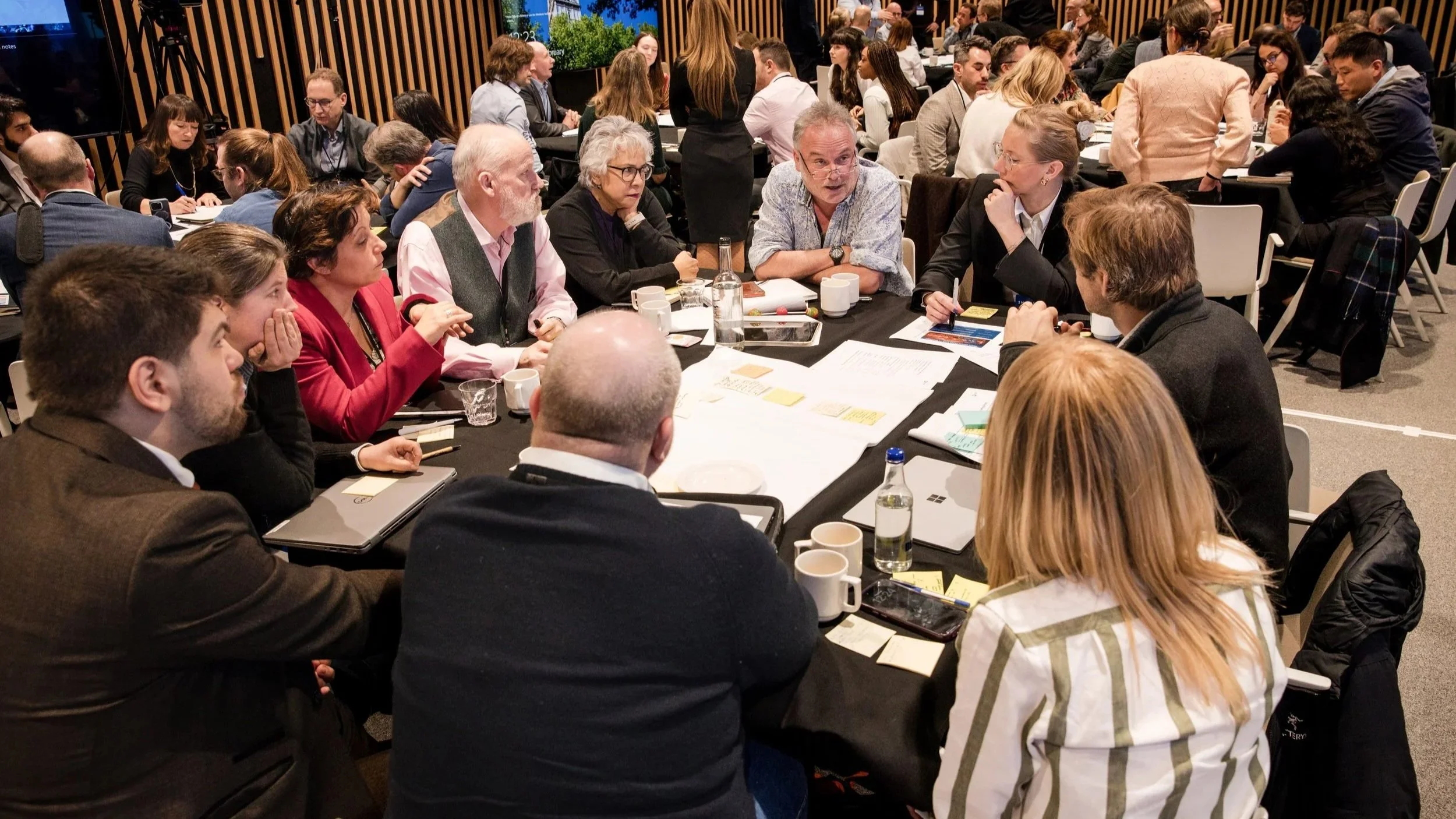
Hosted at Imperial College London, the Quantum Healthcare Summit brought together over 110 clinicians, regulators, innovators and funders to explore how quantum technologies could transform the early diagnosis and treatment of cancer.
Setting the scene
The day opened with an introduction from Professor Rupert Oulton (Imperial College London), who set the scene by outlining the key themes shaping the future of quantum technologies in healthcare. He highlighted the barriers that still need to be addressed, the cross-cutting enablers that can accelerate progress, and the critical role that evidence and regulation will play in bringing these technologies into clinical pathways.
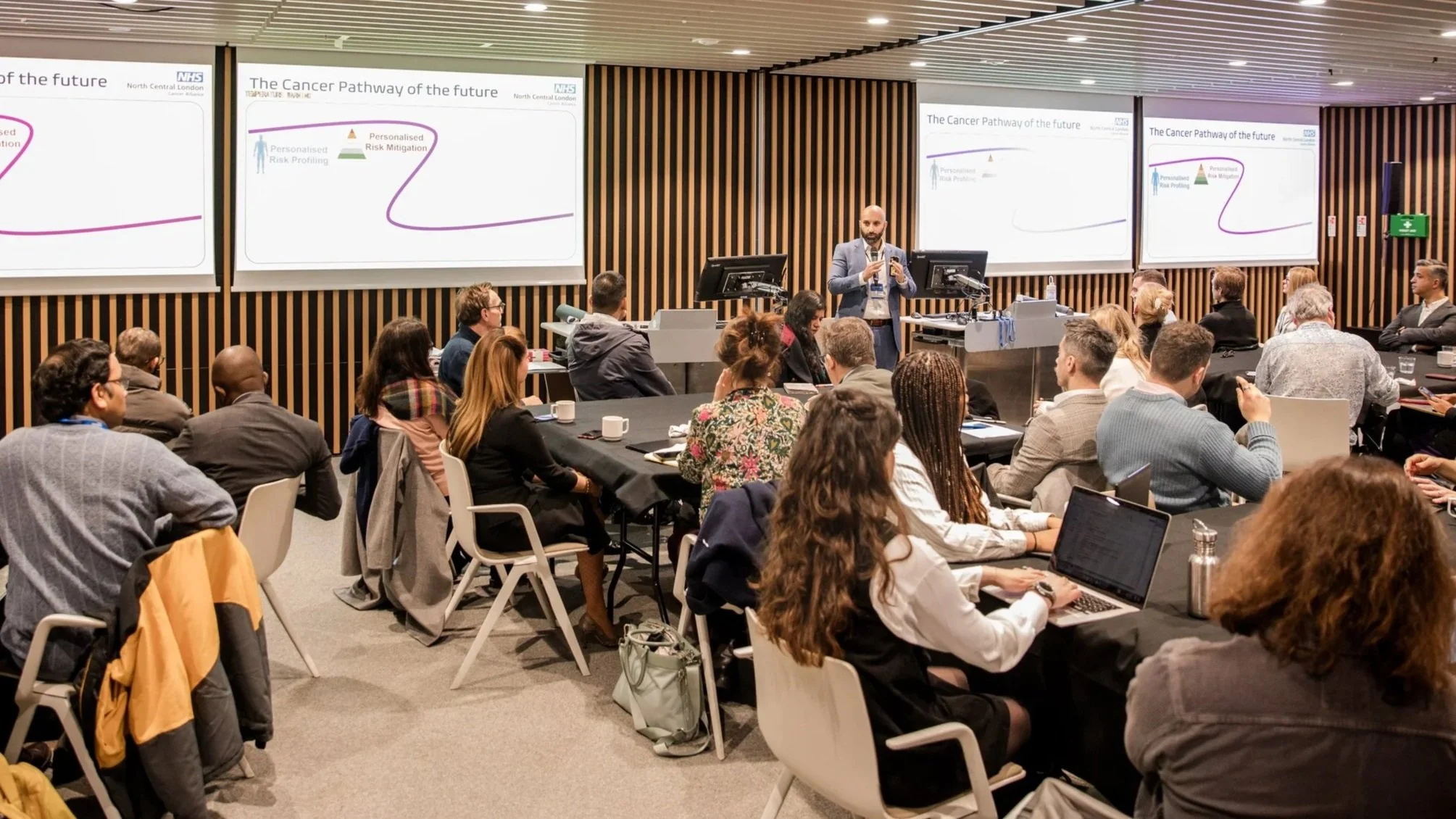
We then heard a keynote from Ali Malik, Managing Director of the North Central London Cancer Alliance, who explored the potential role of quantum technologies across the cancer pathway. He outlined a clear vision of a future system built on personalised risk profiling, proactive risk mitigation, and earlier diagnosis - supported by dynamic screening intervals, self‑sampling at home, and a new digital gateway giving patients streamlined access to hospital appointments.
Needs and innovations
Following a short ‘Audience Highlights’ session, where audience members were encouraged to share their experiences and perspectives, Q-BIOMED led a workshop exploring how quantum technologies could transform oncology.
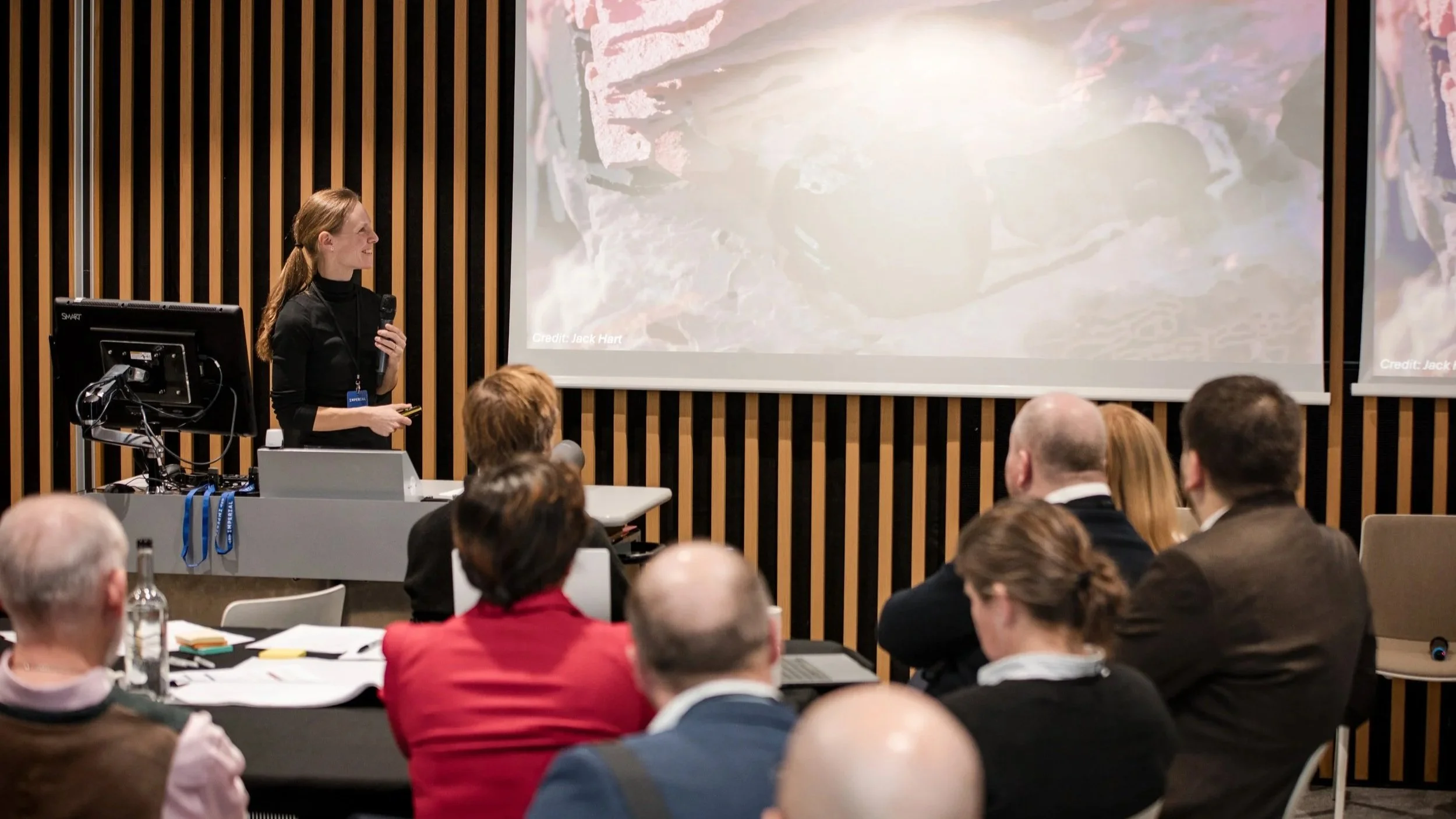
Our Senior Business Development Manager, Marie-Therese Rached, opened the session with an overview of the Hub’s mission and priorities. This was followed by Dr Helena Knowles (University of Cambridge) and Dr Adam Creamer (University of Oxford), who showcased some of the cutting-edge research happening across the Hub’s scientific programme.
To close the workshop, Q-BIOMED Principal Advisor, Professor Sheena Visram, facilitated an interactive discussion where attendees considered which quantum technologies the NHS should prioritise and what is needed to support meaningful, responsible adoption. The conversation surfaced both enthusiasm and pragmatic insights about the path ahead.
Case studies and adoption challenges
The afternoon programme continued with a series of case studies focusing on real-world challenges in quantum technology adoption. After short presentations, Illias Zapantis (UCL Partners), Dr Jan Lukas Robertus (Royal Brompton/Imperial NHLI), Professor Chris Phillips (Digistain), Viet Pham Ngoc (Infleqtion) and Dr Jack Radford (University of Glasgow) joined a panel discussion chaired by Melanie Hardman (NPL).
The panel explored several themes, including the gaps and blockers that currently slow NHS adoption. Speakers emphasised the need for dedicated resources and protected time for clinicians to engage with innovation, as well as the opacity of regulatory processes for many academics. When considering who to involve early in development, the panel agreed that engaging clinicians is essential to understanding unmet needs. NHS innovation hubs were also highlighted as valuable allies for identifying clinical champions.
Regulation and pathways to adoption
The final session brought together Josephine Bunch (NPL), Ben Sheridan (BSI) and David Grainger (MHRA) for a panel on regulatory pathways, moderated by Anke Lohmann (AnchoredIn). The discussion covered practical resources and support available to innovators, including the MHRA scientific advice service and the Quantum Standards Network, and offered insights into how organisations can navigate regulatory requirements more effectively.
Reflections
Overall, the event was a fantastic opportunity to connect the quantum and healthcare communities, share challenges openly, and build a clearer picture of what it will take to bring quantum-enabled solutions into real clinical use. The level of engagement throughout the day was hugely encouraging, and it’s clear that momentum in this space is growing rapidly.