
Q-BIOMED Connect 2026 brings together quantum and healthcare communities
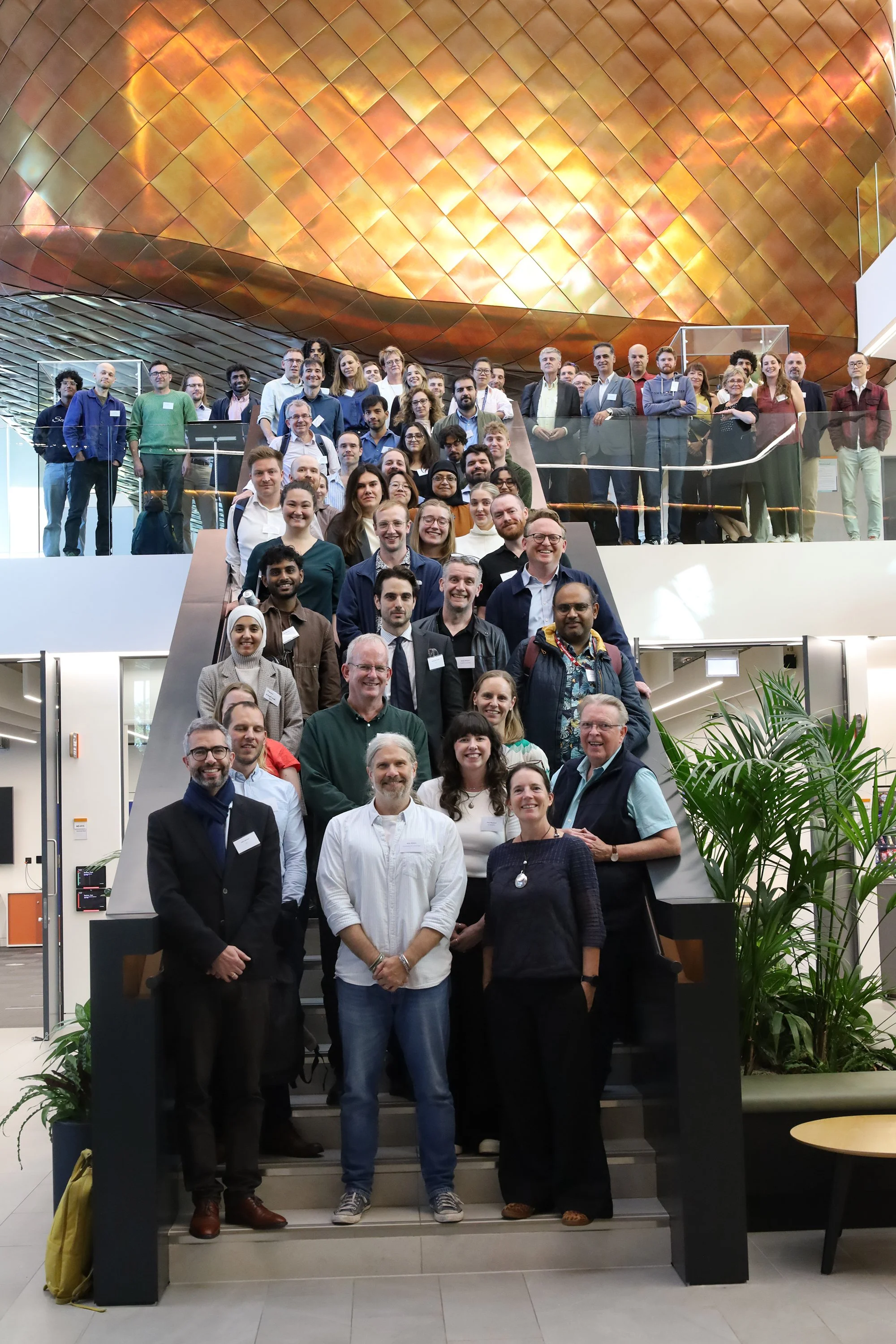
On 21 September, researchers, clinicians, industry partners, policymakers and funders gathered at the Roy Dolby Centre, part of the Cavendish Laboratory at the University of Cambridge, for Q-BIOMED Connect 2026, the annual meeting of the UK Quantum Biomedical Sensing Research Hub.
The event showcased the latest advances in quantum sensing for healthcare while creating space for discussion on one of the field's most pressing questions: how can promising quantum technologies be translated into real-world clinical impact?
Showcasing progress across the Hub
The day opened with a welcome from Professor Mete Atatüre, one of our Co-Directors, followed by research updates from Q-BIOMED's four flagship programmes.
Together, the presentations demonstrated the breadth of activity taking place across the Hub, from new approaches to medical imaging and diagnostics through to quantum-enabled tools for cancer treatment and basic biomedical research.
Dr Jon Breeze presented highlights from Flagship 1, including advances in magnetoencephalography (MEG), where researchers are developing dynamic magnetic field shielding techniques that could reduce reliance on expensive magnetically shielded rooms, which could help to make next-generation brain imaging more accessible.
Attendees also heard from Dr Ben Miller about progress in quantum-enabled in vitro diagnostics, including testing in complex clinical samples such as blood and urine and the development of portable reader systems that could support future point-of-care applications.
Professor Quentin Pankhurst explored the use of quantum sensors in interventional healthcare applications, including OPM-enabled highly sensitive remote detection of magnetisation of nanoparticles used in magnetic thermotherapy, a technique with potential applications in cancer treatment.
The final flagship presentation from Professor Cristian Bonato focused on quantum sensors for basic biomedical research, highlighting collaborative work across the Hub to develop a complete pipeline for spin-active nanocrystals, from material growth and characterisation through to sensing in living cells and exploration of new sensing materials.
The session concluded with an update from Dr Helena Knowles on the Q-BIOMED Future Leaders Programme, including opportunities for early career researchers through the Hub's Residencies and Secondments and Mobility Fellowship schemes. These funding programmes allow UK early career researchers to gain experience across different environments to enhance interdisciplinary skills, with the current round closing on 15 November 2026.
Accelerating translation into healthcare
A central theme of the day was translation: how to ensure that advances in quantum sensing ultimately benefit patients and healthcare systems, which was explored through a panel discussion.
Dominic Jones, Q-BIOMED's Clinical Translation Lead, introduced the session by presenting a brief overview of the Clinical Needs Mapping project at Q-BIOMED. This project aims to identify the highest priority clinical applications of quantum sensing technologies and explore the ways in which Q-BIOMED can best support developers of quantum sensing technologies to address them.
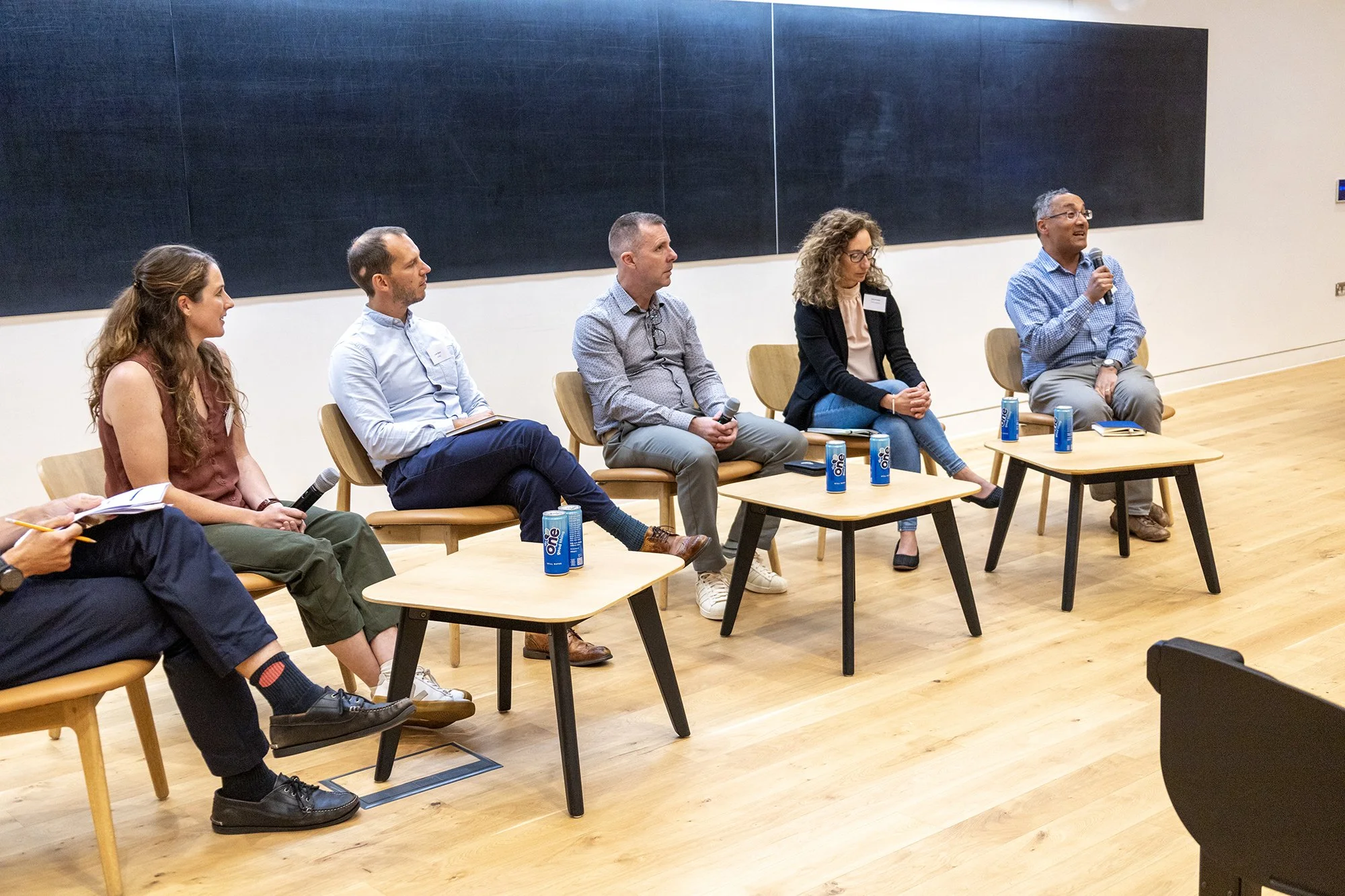
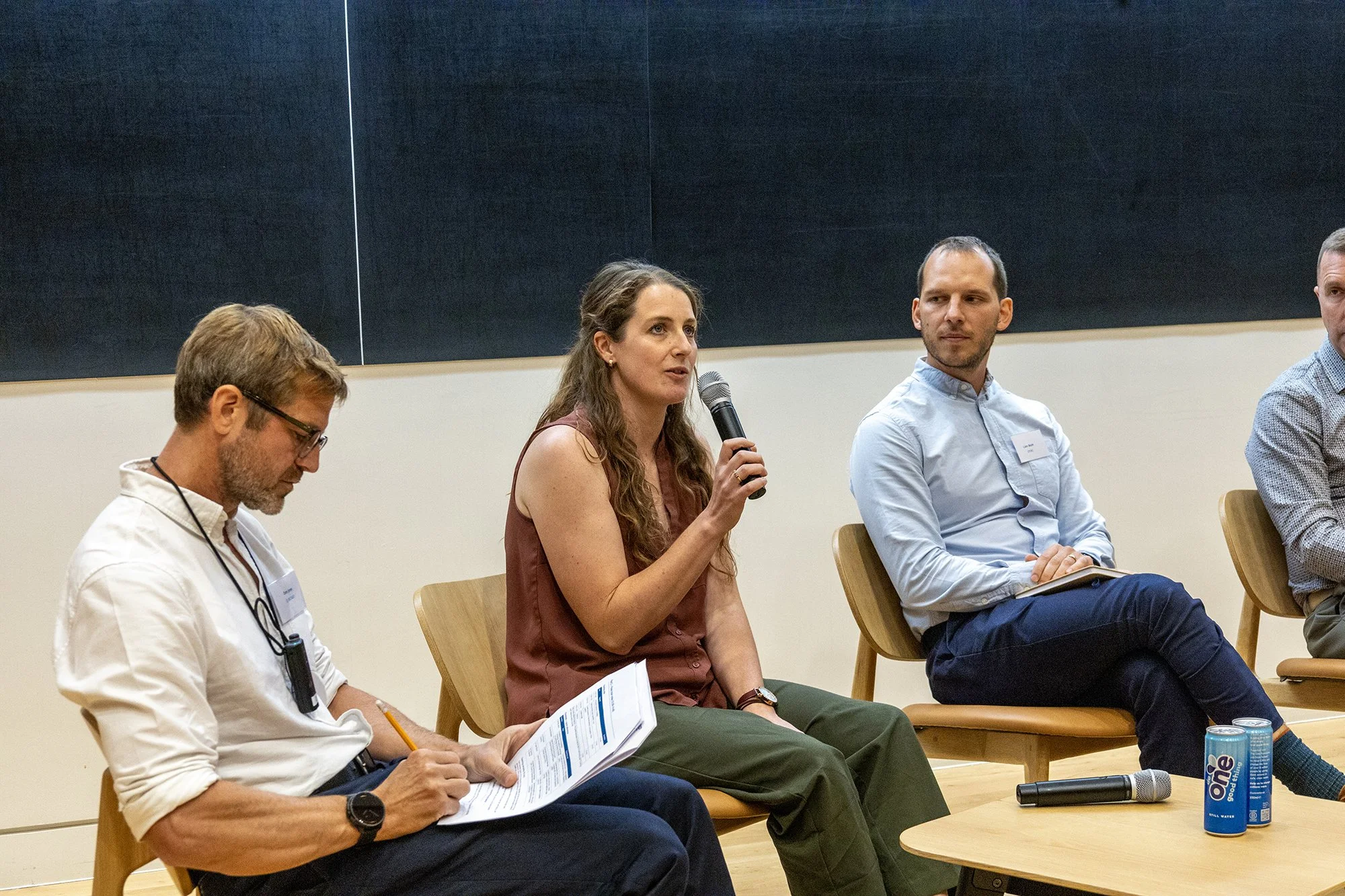
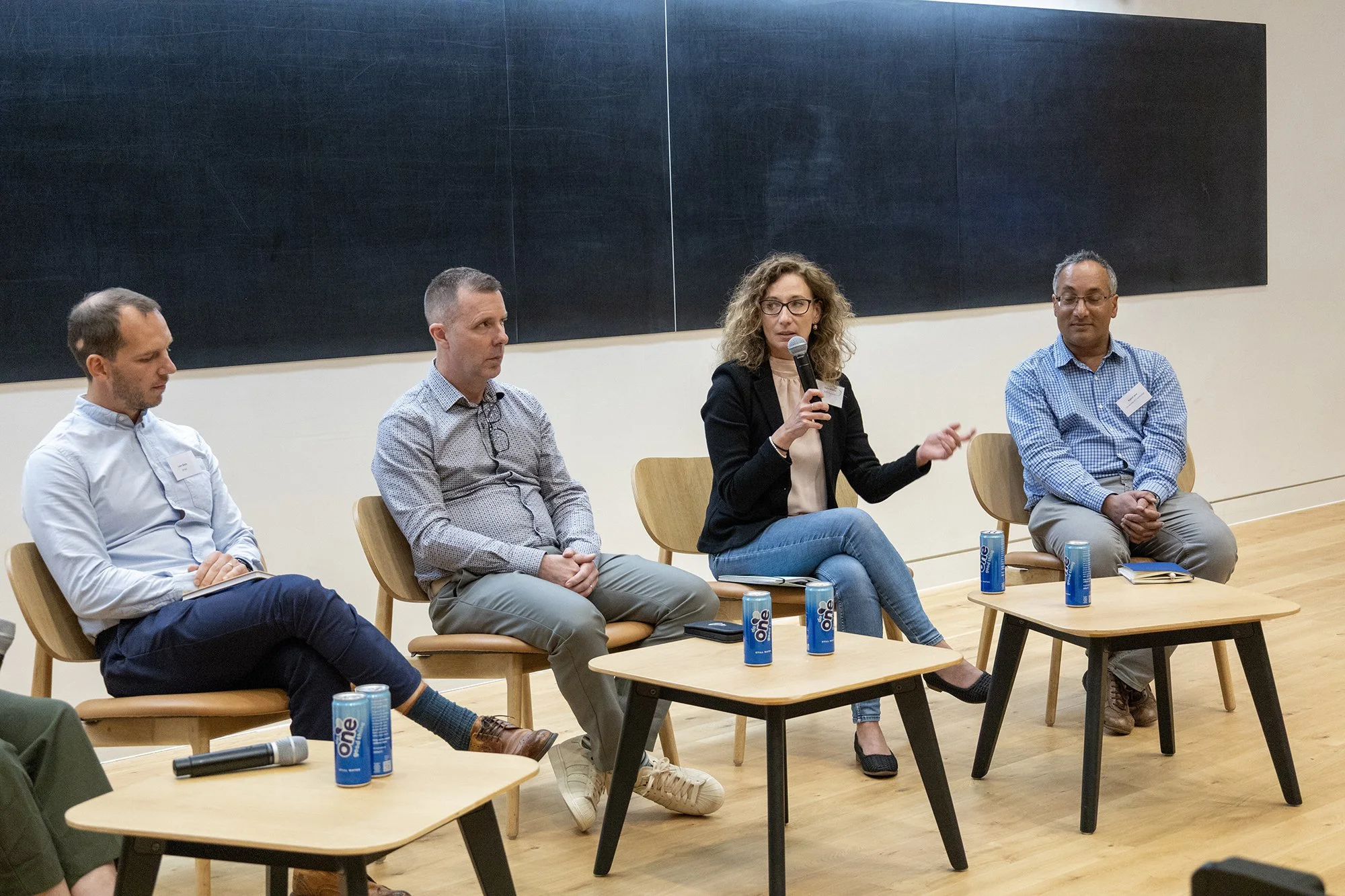
This led to the panel discussion which drew on perspectives from clinical practice, policy, funding, standards and innovation, and explored the opportunities and challenges involved in bringing quantum technologies into healthcare.
One message emerged consistently throughout the discussion: successful translation begins with understanding genuine clinical need.
Professor Raj Jena, Professor of AI in Radiation Oncology, University of Cambridge and Cambridge University Hospitals, emphasised the importance of engaging clinicians and end users early, ensuring that technologies are designed to solve clearly defined problems rather than searching for applications after development. He highlighted the NHS's growing interest in community-based care and virtual wards, raising the question of whether portable quantum technologies could support monitoring outside traditional hospital settings.
The discussion also highlighted the importance of generating robust evidence, developing clear value propositions and understanding how innovations fit within existing healthcare systems.
Dr Ilaria Mirabile, Head of Horizon Scanning and Demand Signalling at NHS England, discussed the role of demand signalling within the NHS, helping healthcare organisations prepare for emerging technologies and identify future workforce and infrastructure requirements. Professor Richard Harding, Business Development Manager at the Hartree Centre and Science and Technology Facilities Council, stressed the importance of asking difficult implementation questions early, ensuring that technological ambition is matched by organisational readiness.
Panellists also emphasised the need for education and skills development across the ecosystem. Dr Liam Boyle, Senior Portfolio Manager at EPSRC, highlighted ongoing efforts to strengthen commercialisation and entrepreneurial capabilities within the quantum sector, such as the recent EPSRC funding call to develop a Centre for Quantum Commercialisation of Skills, which aims to help researchers navigate the path from laboratory discovery to real-world adoption.
Another theme that emerged was the importance of networking and developing a common language across the ecosystem, helping to bridge gaps between clinicians, physicists, businesses, regulators and policymakers. Effective standards can play an important role in this process, helping to ensure that different stakeholders are working from shared definitions and approaches. Building on this point, Dr Gemma Chapman, Business Development Manager at the Quantum Standards Network, highlighted that standards development is a long-term process and that researchers should begin considering standards requirements early in technology development. She emphasised that standards are community-driven, meaning it is important for researchers and innovators to engage in shaping standards so that emerging frameworks appropriately reflect the needs and characteristics of their technologies, both nationally and internationally.
Chapman also noted that while standards and regulation serve different purposes, standards can often provide a foundation for future regulatory frameworks. Early engagement with standards development can therefore help smooth the pathway towards adoption, providing greater confidence for healthcare providers, regulators and industry partners.
Raj Jena also highlighted the importance of introducing quantum technologies into medical education, helping future clinicians develop a greater understanding of emerging technologies and creating stronger links between the healthcare and quantum communities.
Overall, the discussion reinforced the idea that translation is not the responsibility of any single group. Instead, it depends on collaboration across the entire innovation ecosystem, from researchers and clinicians through to regulators, funders, businesses and patients.
Lessons from Denmark's quantum ecosystem
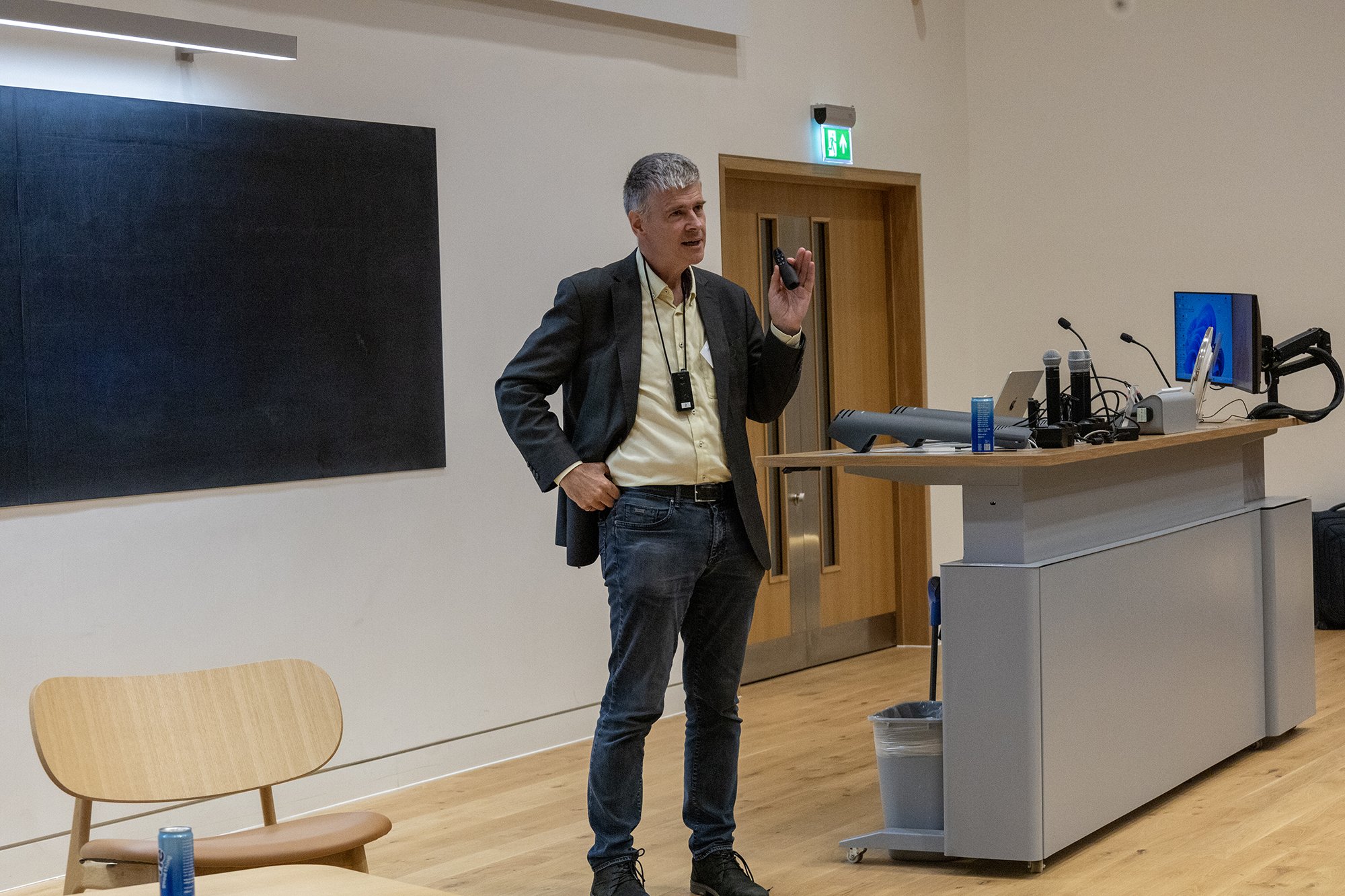
The day's keynote address was delivered by Cathal J. Mahon, Chief Product Officer at QuNorth, who shared insights from Denmark's rapidly growing quantum ecosystem.
In his talk, Integrating Quantum with Life Science: The Danish Ecosystem Building Story, Mahon explored how long-term investment, strategic partnerships and dedicated innovation support structures have helped create an environment where quantum technologies can thrive alongside the life sciences sector.
Drawing on examples including the Novo Nordisk Foundation and the BioInnovation Institute, he described how successful innovation ecosystems combine access to expertise, networks, funding and infrastructure to support emerging companies.
Mahon noted that many of the challenges faced by quantum start-ups mirror those encountered in biotechnology, where long development timelines, significant technical risk and substantial infrastructure requirements are common. These similarities have created opportunities for cross-sector learning and collaboration.
The keynote session included engaging discussions on entrepreneurship and company building. When asked what qualities he looks for in founding teams, Mahon highlighted the importance of ‘coachability’ and a willingness to learn and adapt as technologies and markets evolve.
Building connections for future impact
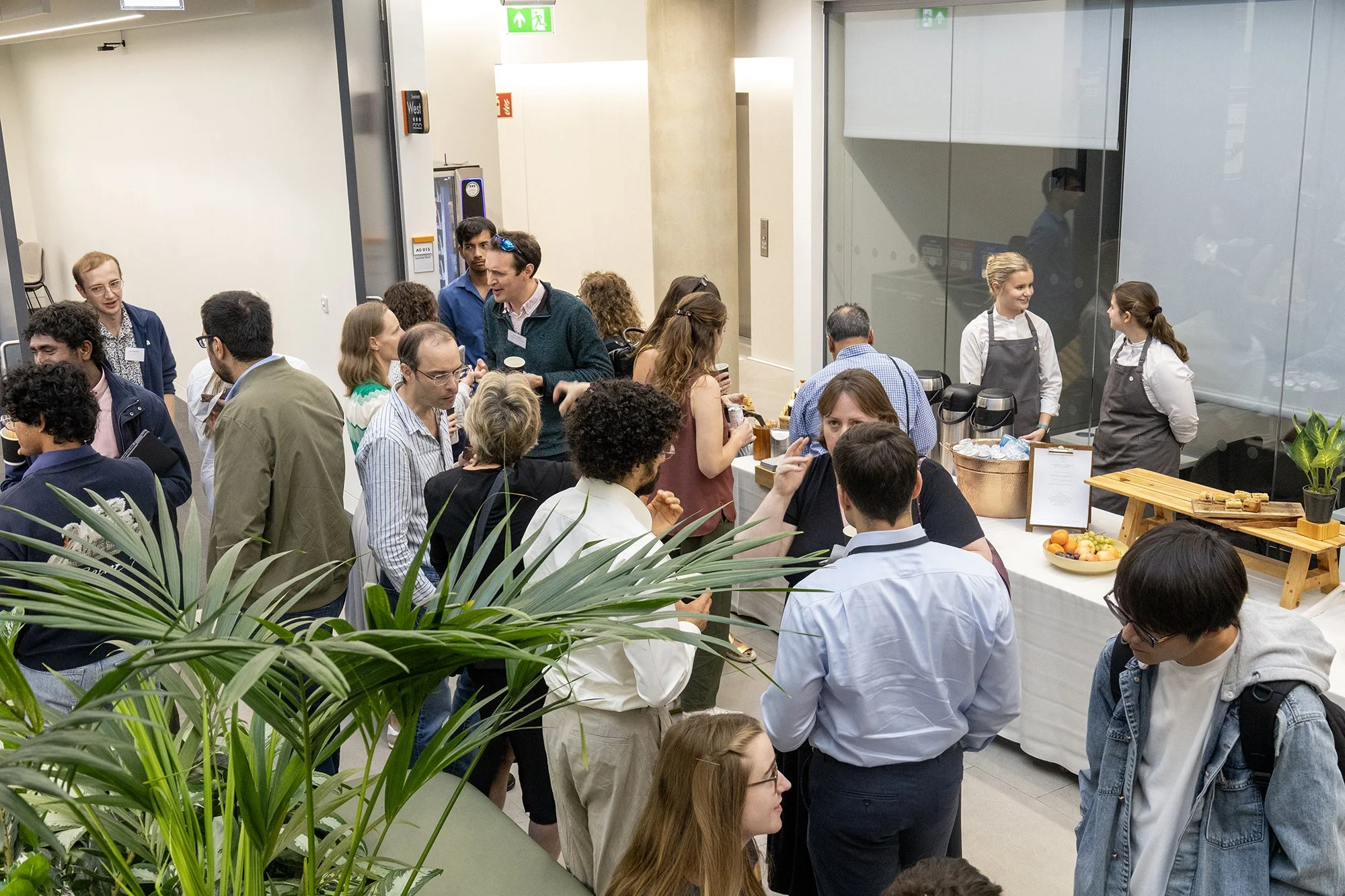
The day concluded with a networking reception sponsored by the Quantum Standards Network, the UK’s national coordination initiative for quantum technology standardisation. This provided attendees with an opportunity to continue conversations, explore potential collaborations and discuss future opportunities across the sector.
The following day, Q-BIOMED members came together for an internal workshop focused on identifying new opportunities for collaboration, addressing shared challenges and shaping the future direction of the Hub.
What stood out throughout Q-BIOMED Connect 2026 was the shared sense of momentum across the quantum healthcare community. While significant challenges remain on the path to clinical adoption, the discussions demonstrated growing alignment around the opportunities, priorities and partnerships needed to translate quantum sensing technologies into meaningful healthcare impact.
We were delighted to bring together so many researchers, clinicians, industry partners, policymakers and funders, and to see new connections and potential collaborations emerge throughout the day. As interest in quantum sensing for healthcare continues to grow, we are already looking forward to welcoming the community back for Q-BIOMED Connect 2027 and continuing these important conversations.
Join the Quantum Standards Network community
The Quantum Standards Network (QSN) is the UK’s national coordination initiative for quantum technology standardisation, managed by NPL and funded by UK Government. The QSN is developed in collaboration with BSI, UKRI National Quantum Computing Centre (NQCC), National Cyber Security Centre (NCSC), and UKQuantum. The recently-launched QSN Community is a central, collaborative space to share knowledge, access training and insights, connect with experts, and engage in discussions that help shape the future of quantum standards.